Forum Discussion

 Occasional Contributor
timing signoff
 6 months ago
Yes, you must fix any hold and setup violations detected during timing analysis. Both types of violations are critical for ensuring your design functions reliably under all conditions, and neither can be ignored or waived without thorough justification.
In Quartus Prime Pro Timing Analyzer:
Hold Timing (Slow-to-Fast Corner):
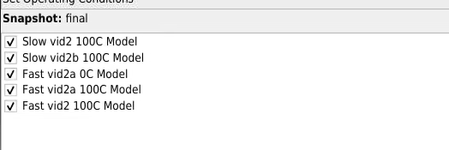
The "Slow ID2 to Fast VID2" corner pair checks the worst-case for hold timing. Here, the data launch path operates under the slowest silicon, lowest voltage, and highest temperature (Slow ID2), while the capture path operates under the fastest silicon and highest voltage (Fast VID2). This scenario is especially important for hold checks because data may arrive late while the capturing register samples early, creating the greatest risk for hold violations.Setup Timing (Fast-to-Slow Corner):
For setup analysis, the concern is reversed: the launch path is at its fastest (Fast VID2), and the capture path is at its slowest (Slow ID2). This checks whether data arrives early enough to be reliably captured, ensuring the setup requirements are met.Why This Matters:
- Hold violations are functional issues that can cause failures, regardless of how fast or slow your system runs.
- Setup violations can limit the maximum frequency your design can achieve and may also lead to functional errors.
In your server room design, you must ensure that both hold and setup timing pass across all relevant corners, including the Slow-to-Fast and Fast-to-Slow combinations. Violations in either category cannot be waived unless you have detailed, formal characterization data proving that your hardware will never operate under those specific corner conditions. Without such data, all hold and setup violations must be fixed to guarantee reliable and predictable operation.
 Super Contributor
Yes, you must fix any hold and setup violations detected during timing analysis. Both types of violations are critical for ensuring your design functions reliably under all conditions, and neither can be ignored or waived without thorough justification.
In Quartus Prime Pro Timing Analyzer:
Hold Timing (Slow-to-Fast Corner):
The "Slow ID2 to Fast VID2" corner pair checks the worst-case for hold timing. Here, the data launch path operates under the slowest silicon, lowest voltage, and highest temperature (Slow ID2), while the capture path operates under the fastest silicon and highest voltage (Fast VID2). This scenario is especially important for hold checks because data may arrive late while the capturing register samples early, creating the greatest risk for hold violations.
Setup Timing (Fast-to-Slow Corner):
For setup analysis, the concern is reversed: the launch path is at its fastest (Fast VID2), and the capture path is at its slowest (Slow ID2). This checks whether data arrives early enough to be reliably captured, ensuring the setup requirements are met.
Why This Matters:
- Hold violations are functional issues that can cause failures, regardless of how fast or slow your system runs.
- Setup violations can limit the maximum frequency your design can achieve and may also lead to functional errors.
In your server room design, you must ensure that both hold and setup timing pass across all relevant corners, including the Slow-to-Fast and Fast-to-Slow combinations. Violations in either category cannot be waived unless you have detailed, formal characterization data proving that your hardware will never operate under those specific corner conditions. Without such data, all hold and setup violations must be fixed to guarantee reliable and predictable operation.


